
How Near-Infrared Technology Boosts ROI in Food Production
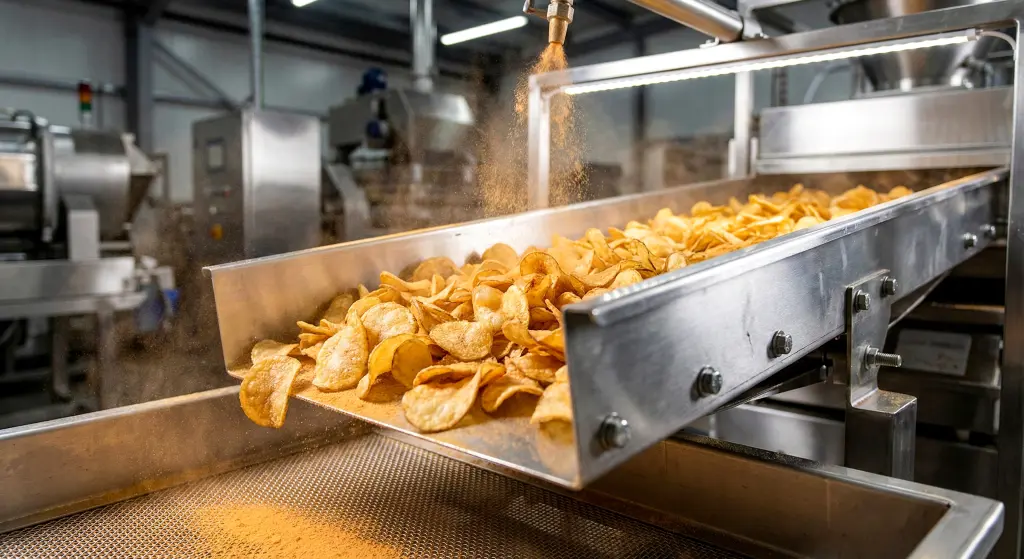
To maintain consistent product quality, food manufacturers rely on accurate measurement of parameters such as moisture, fat, protein, and colour. Until recently, they mostly used laboratory testing methods, which can be slow, meaning issues are often only detected after the product has already left the line.
Near-infrared (NIR) technology offers a more responsive solution. It can measure key values directly during production without damaging the product.
With real-time data available, operators can adjust the process as it runs. This improves efficiency and drives a faster and greater return on investment.
These benefits come from improvements across several areas of production.
1) Reduced Product Waste
Changes in key parameters such as moisture, fat, or protein are a common reason batches fall out of spec. If producers detect issues too late, they may need to discard or downgrade large volumes of product.
By using NIR sensors for continuous monitoring, production teams can spot changes early on and make adjustments while the line is still running. This helps keep operations on target and prevent losses.
2) Improved Yield for Products Sold by Weight
Many food products are sold by weight, including snacks, cereals, baked goods, and powders. Moisture levels directly affect their weight and overall quality.
If products are too dry, food companies lose saleable output. If the water content is too high, they may fail shelf-life or quality checks.
With NIR technology, operators can monitor moisture levels on the line and fine-tune the process to stay close to target levels. This helps maximise yield from every batch.
3) Improved Raw Material Utilisation
Raw materials often vary in fat, protein, moisture, and other parameters, which can affect how they behave during processing. This makes it harder to use them efficiently, so manufacturers may compensate by adding extra material.
When using near-infrared technology, operators can measure ingredients and intermediates as they enter the process. This gives them a clearer picture of what they are working with, so they can make more accurate adjustments. As a result, manufacturers can make better use of raw materials.
4) Energy Savings in Drying and Baking
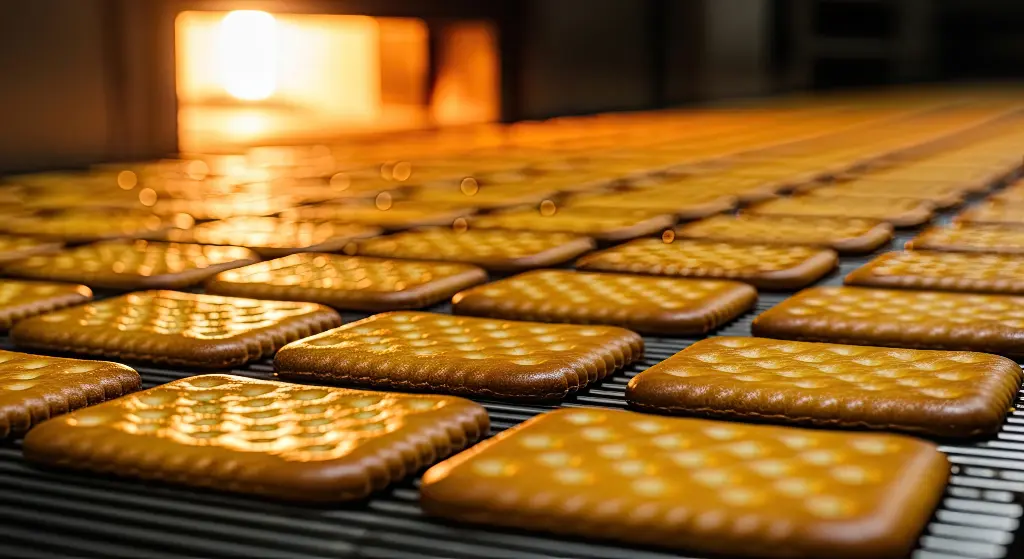
Drying and baking are some of the most energy-intensive steps in food production. Without accurate moisture measurement, food producers often run the process longer than necessary as a safety margin. This increases energy use and production costs.
With NIR analysers, production teams know exactly when the target moisture level is reached. This helps prevent over-processing and reduce energy use while maintaining product quality.
5) Faster Quality Control Decisions
Traditional quality control often relies on lab tests, which require samples to be taken off the line and analysed. These tests can take minutes or hours, and production often needs to continue while waiting for the results. This increases the risk of manufacturing products that don’t meet quality standards.
NIR systems allow operators to make faster decisions and adjustments, helping to keep quality consistent throughout production.
6) Reduced Laboratory Testing Costs
Traditional lab testing requires trained staff, chemicals, and specialised equipment.
NIR technology reduces the need for routine laboratory testing, lowering workload and lab supply costs. Lab analysis can then be used mainly for occasional verification.
7) Improved Consistency and Reduced Rework
Small variations in product composition can add up and result in inconsistent batches, even when individual measurements are within range. Over time, if quality becomes too inconsistent, manufacturers may need to reprocess or blend products.
By providing continuous visibility of key parameters, NIR analysers help maintain consistency from batch to batch and reduce rework.
8) Bridging the Experience Gap
Food manufacturers have traditionally relied on experienced operators who understand the small changes and patterns that can affect quality during processing.
However, many manufacturers are now facing skills shortages and higher staff turnover.
NIR technology helps bridge this gap by providing continuous, reliable data in real time. This can help maintain product quality and process consistency, even with newer or less experienced teams.
.webp)
Why NIR Delivers Faster Return on Investment
NIR technology improves several parts of the production process at once, from reducing waste and improving yield to cutting energy use and speeding up quality checks. This helps food companies lower costs and get more out of each batch.
Together, these improvements help manufacturers recover their investment more quickly.
How EMCO Can Help You Improve Your Food Production Process
At EMCO, we help food producers improve process control, product quality, and efficiency using advanced measurement technologies. This includes near-infrared (NIR) analysis, packaging testing, and process monitoring solutions tailored to your production requirements.
We work with you to identify the most suitable measurement method for your application and test your samples to show how the technology performs in real conditions before you commit.
Our support continues beyond installation; we provide ongoing maintenance, calibration, and troubleshooting to keep the system working accurately over time.
Get in touch to discuss your process and requirements.
Insights in this article are informed by EMCO’s process control specialist Kevin Goodison, who has extensive experience helping food manufacturers improve production processes through measurement technologies.