
Altitude Simulation for Packaging: Testing to ASTM D6653
What is Altitude Simulation Testing for Packaging?
Under ASTM D6653, altitude simulation testing analyses how packaging performs in low-pressure conditions to check whether it can cope with high-altitude transport.
At A Glance:
- Altitude simulation testing follows ASTM D6653
- It recreates the low-pressure conditions experienced during transport
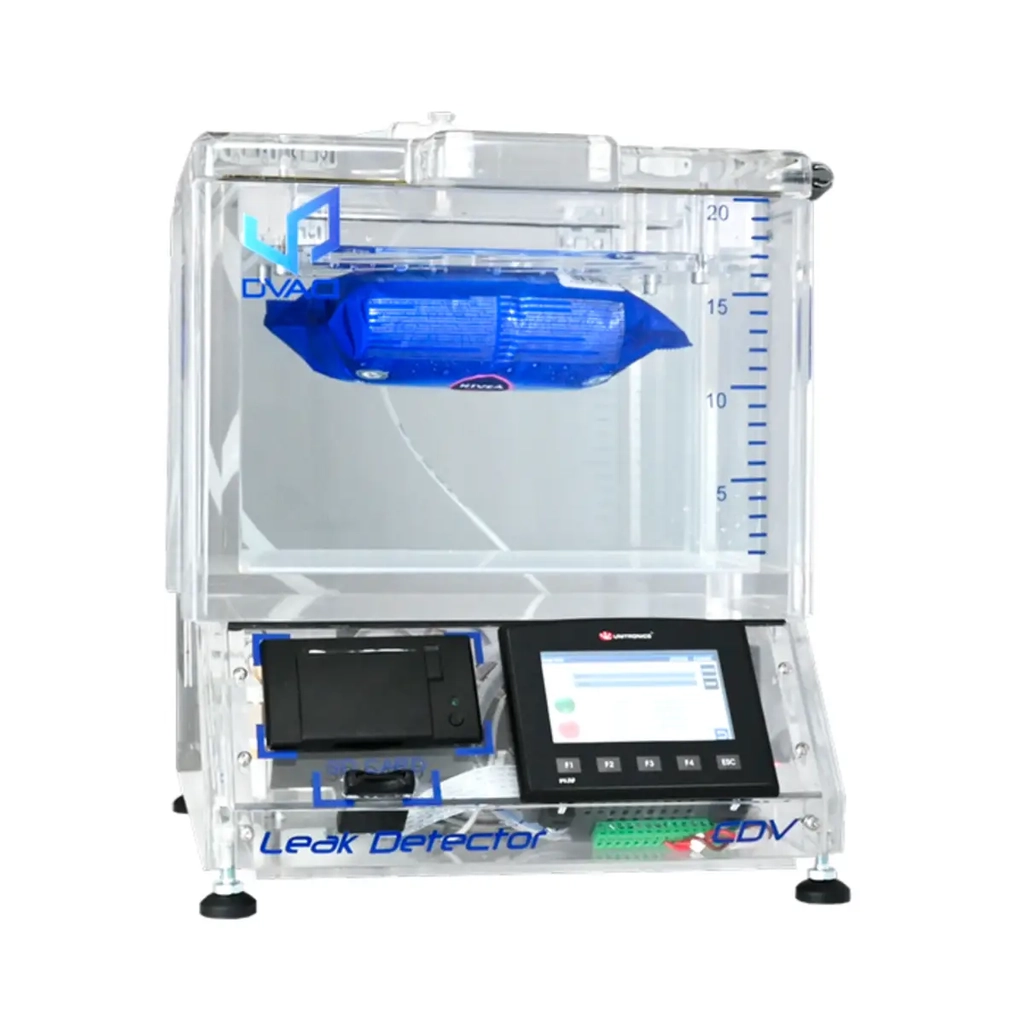
- Testing can use a wet or dry vacuum chamber, including a water bath
- Results help manufacturers improve materials, seals, closures, and package design
- It is especially useful for pharmaceutical and medical packaging.
How Does Altitude Affect Packaging?
When products travel by air or over high mountain passes, they go through changes in atmospheric pressure. As outside pressure falls, the gas inside the packaging can expand.
This pressure difference can stress the packaging material, seal, and closure. If the stress is too great, flexible packs can swell and burst, rigid containers can deform, and seals can fail. This can lead to leaks, packaging damage, and product loss.
Packs with more headspace hold a larger amount of gas, so they can expand more, depending on the package design, materials, and contents.
How well a package can handle altitude expansion depends on how the pressure difference is distributed inside it.
This, in turn, is based on:
- The material’s thickness and flexibility
- The seals and closures’ strength
- The overall package design - its shape, dimensions, and how the product fits inside.
Altitude simulation helps manufacturers understand how these elements work together and where they might need to make changes.
How Does Altitude Simulation Testing Work?
Manufacturers place the packaged product inside a test chamber. Then, they gradually reduce pressure to simulate the altitude at which the product will travel. The chamber maintains these conditions for a set amount of time.
The testing parameters depend on the standard the product needs to meet, package design, and distribution route.
Once the test is complete, operators check the packaging for signs of damage, such as swelling, deformation, leaks, and seal failures.
Altitude simulation can be carried out in a dry chamber or a water bath. For more information about how water baths can help improve packaging quality control, read this article.
Which Standards Apply to Altitude Simulation and Leak Testing?
Some manufacturers, especially in the pharmaceutical sector, need to demonstrate that their packaging meets certain standards before it enters distribution.
ASTM D6653 is the internationally recognised test method for assessing how high-altitude pressure differences affect packaging systems.
So if you need to comply with ASTM D6653, testing your packaged product through altitude simulation is essential.
The Commercial Benefits of Altitude Simulation
Altitude simulation helps manufacturers identify potential weaknesses before they ship products, reducing product loss, returns, customer complaints, and failure investigations.
Carrying out altitude testing in a lab also helps manufacturers understand what contributes to the performance issue - the materials, headspace, seals, overpacking or underpacking, or overall design. So they can make informed improvements to the packaging design and process.
Moreover, knowing a product can withstand high-altitude transport can boost a business’ confidence when they launch a new product, change packaging materials, or introduce a new distribution route.
The return on investment isn’t immediately noticeable. However, packaging that can survive air travel reliably can reduce waste and returns, prevent delays and complaints, improve distribution, and enhance stakeholder relationships.
When Should Packaging Undergo Altitude Simulation?
Manufacturers should consider performing altitude simulation testing when:
- Preparing products for distribution via air freight or through a high-altitude region
- Determining whether a package is over- or underpacked
- Changing packaging materials or suppliers, adjusting headspace, or modifying seals and closures.
It’s often worth testing early in the package development process, as it can reveal weaknesses before the packaging enters production.
Why Altitude Simulation Matters for Pharmaceutical and Medical Packaging
Packaging failures can have more serious consequences in pharmaceutical and medical applications, as they can create a contamination risk and, for sterile products, compromise sterility.
In pharmaceutical packaging testing, high altitude simulation can show whether bottles, pouches, blister packs, and other sealed formats stay intact when atmospheric pressure falls.
In sterile medical device packaging testing, if a package loses integrity at altitude, it can affect the sterile barrier system, making the product likely to be rejected.
For more information about pharmaceutical packaging testing methods, head to this article.
How EMCO Can Help You Set Up Altitude Simulation Testing
For reliable altitude simulation, the vacuum level, exposure time, rate of pressure change, and test procedure must reflect the packaging, distribution route, and relevant standards.
Setting these conditions correctly creates a controlled, repeatable process.
This is where EMCO stands out. Drawing on Kevin’s and Alex’s expertise, we help manufacturers design and validate test methods that meet the relevant requirements and produce consistent, defensible results.
Whether you need a water bath, help reviewing your altitude simulation process, or a second opinion on your current setup, we can help. Get in touch today.
The insights in this article come from Kevin Goodison, EMCO’s process control specialist and an expert in using measurement technology to improve manufacturing processes.
Frequently Asked Questions About Altitude Simulation for Packaging
What is altitude testing for packaging?
Altitude testing recreates low-pressure conditions to determine how a product or package performs at high altitude - for example, on a plane or a high mountain pass.
Is altitude simulation the same as leak testing?
No. Altitude simulation analyses how packaging reacts to lower atmospheric pressure. Although it may reveal a leak or seal failure, it does not replace a package-integrity test. You can find out more about the best leak detection methods in this article.
What is ASTM D6653?
ASTM D6653 is an internationally recognised test method for evaluating how pressure differences affect packaging systems.
Why do packets expand or burst at higher altitudes?
Atmospheric pressure falls as altitude increases. As the outside pressure falls, the gas inside a sealed packet expands. If the material or seals can’t cope with the pressure difference, the packet can leak or burst.
What types of packages should be tested for altitude?
Altitude testing is suitable for vulnerable formats such as flexible packs, pouches, bottles and trays.
Is high altitude simulation relevant to pharmaceutical and medical-device packaging?
Yes. Altitude simulation can identify risks to package integrity, product protection, and sterile barrier systems.