
What Foods Are Suited to Modified Atmosphere Packaging?
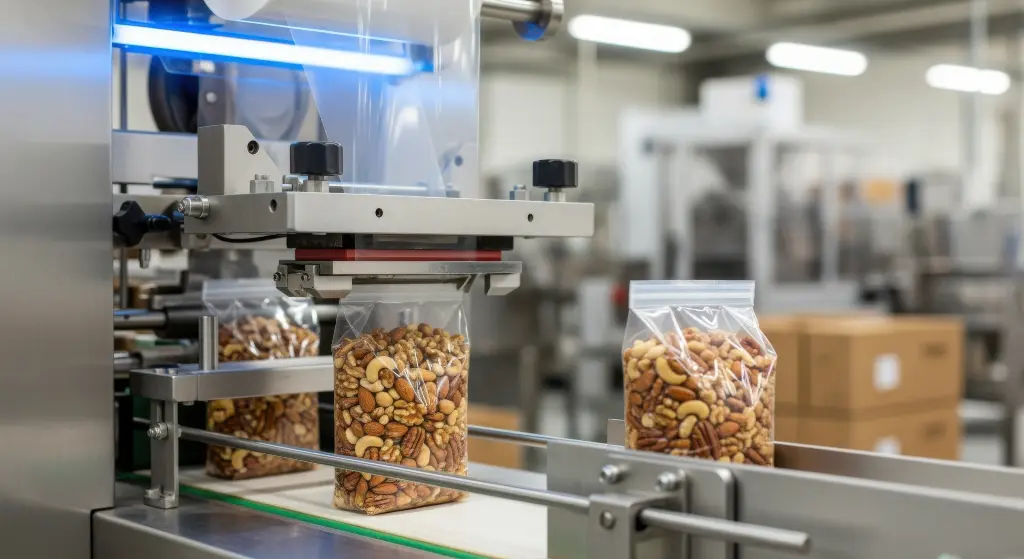
Modified Atmosphere Packaging (MAP) is one of the main methods manufacturers use to preserve food safety and quality.
Adjusting the mix of gases inside a sealed pack - typically carbon dioxide, nitrogen, and oxygen - slows spoilage and extends shelf life without the need for additives or freezing.
However, not every food responds to it in the same way. Some products thrive under a modified atmosphere, while others don’t.
In this article, we look at which foods are best suited to Modified Atmosphere Packaging and why regular packaging testing is essential to verifying gas stability and pack integrity.
Foods That Benefit Most from Modified Atmosphere Packaging
Foods with active biological or chemical reactions - such as oxidation, respiration, or microbial activity - benefit most from MAP, as the controlled atmosphere helps slow these processes.
Below are the main product categories that perform well under MAP packaging.
Fresh Meat and Poultry
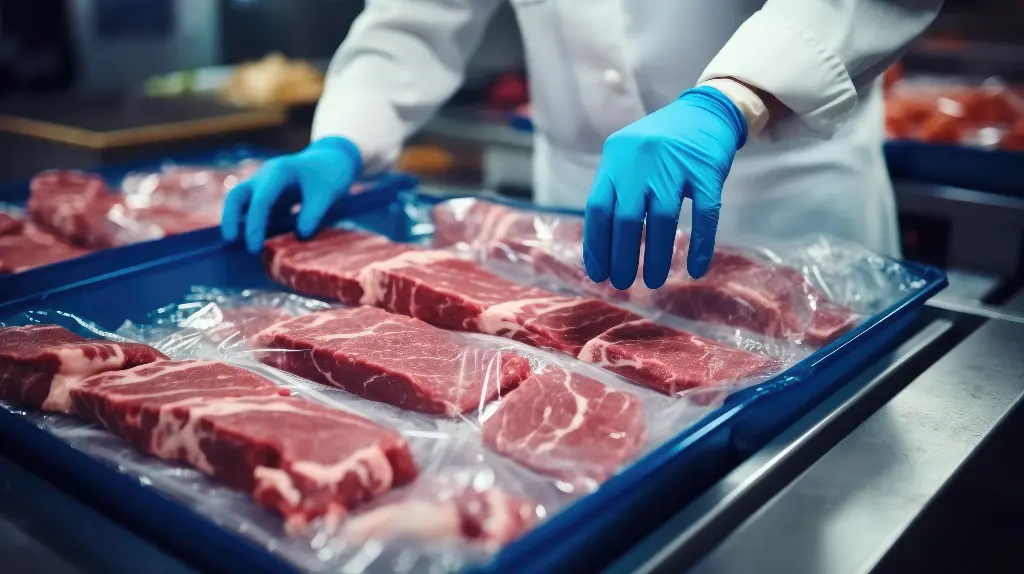
Fresh meat heavily relies on MAP to remain both safe to eat and visually appealing.
High-oxygen environments help preserve the bright red or pink colours that signal freshness to consumers, while carbon dioxide suppresses bacterial growth and extends shelf life.
Most manufacturers use a mixture of around 70-80% oxygen and 20-30% carbon dioxide, depending on the cut and fat content.
Lean cuts such as chicken breast or pork loin require slightly higher oxygen levels to preserve colour, while fattier or darker cuts like beef steak or lamb benefit from more carbon dioxide to limit oxidation.
Fish and Seafood
Seafood is among the most delicate products handled in the food industry. Due to microbial activity and oxidation, fish can spoil quickly even when refrigerated.
MAP helps extend freshness by using carbon-dioxide-rich mixtures - typically between 30% and 60% carbon dioxide balanced with nitrogen - to slow bacterial growth and delay the onset of off-odours.
Lower carbon dioxide concentrations are often used for white fish such as cod and haddock, while higher levels suit oily species like salmon and mackerel.
Processed Meats and Cheeses
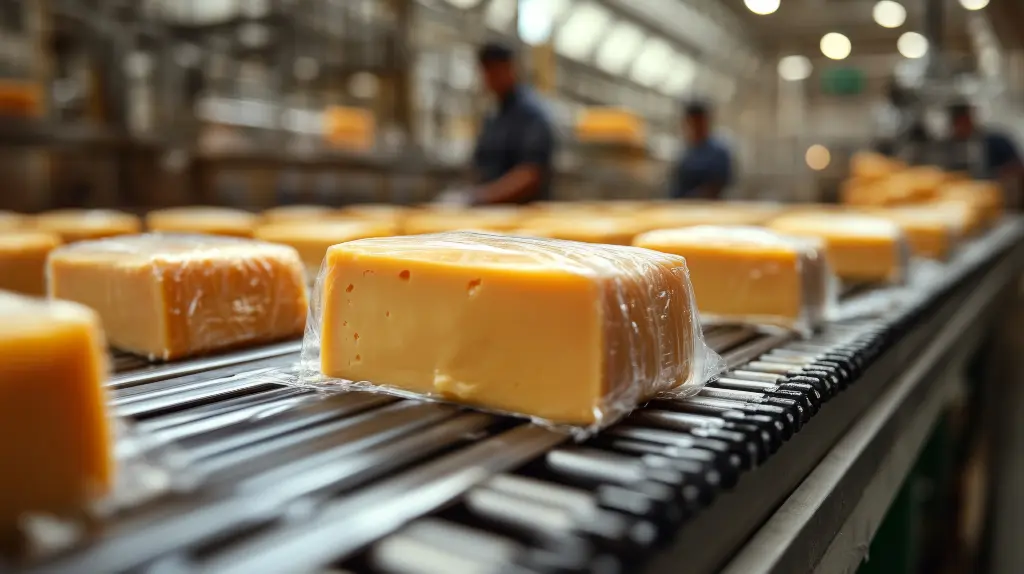
Processed meats and cheeses are less sensitive than raw products but still vulnerable to oxidation and mould.
Manufacturers usually create a low-oxygen packaging environment - usually a mix of 20 to 40% carbon dioxide with nitrogen making up the balance - that inhibits microbial growth and protects flavour, texture, and colour.
Lower carbon dioxide levels are often used for semi-hard cheeses like cheddar or Gouda. Higher ratios are better suited to sliced meats and cooked sausages, which need stronger antimicrobial action to prevent mould growth.
Bakery Products and Ready Meals
Although bakery goods and ready meals seem shelf-stable, when exposed to air, they can quickly develop mould and lose flavour.
MAP slows these reactions by reducing the oxygen inside the pack - usually to less than 1% - and replacing it with carbon dioxide or nitrogen.
In ready meals, which are often stored in trays and pouches, controlled gas mixes also help maintain colour and aroma while preventing condensation.
Fruits and Vegetables
Unlike other foods, fruits and vegetables continue to respire after harvest, consuming oxygen and releasing carbon dioxide.
Preserving fresh produce quality means slowing this natural process without creating anaerobic conditions that lead to off-flavours or texture loss.
Producers typically use low-oxygen atmospheres (2-5% oxygen) balanced with 3-10% carbon dioxide, together with breathable films that regulate gas exchange within the pack.
Leafy greens and broccoli respond well to atmospheres with around 2% oxygen and 5% carbon dioxide, while pre-cut salads and mixed vegetables often require slightly higher oxygen levels.
Packaged Snacks, Coffee, and Nuts
Products like crisps, roasted nuts, and ground coffee are all highly sensitive to oxygen. Exposure leads to oxidation, loss of aroma, and the development of rancid flavours.
MAP prevents these changes by replacing air with nitrogen-rich atmospheres - often close to 100% nitrogen - to protect flavour and texture throughout storage.
This approach is widely used for snack foods such as crisps (chips), cereal bars, and popcorn. Nitrogen keeps the packs inflated to prevent crushing and maintains a dry, oxygen-free environment.
In roasted coffee and nuts, nitrogen flushing also helps preserve delicate aromas and natural oils, extending freshness without the need for additives or refrigeration.
Foods Not Suitable for MAP
While Modified Atmosphere Packaging offers clear advantages for a wide range of foods, it’s not suitable for every product.
Goods with high moisture content or active fermentation, such as fresh bread or unpasteurised dairy, can continue to release gas after sealing, leading to pack swelling or rupture.
Produce with very high respiration rates, such as mushrooms or soft berries, can also suffer under MAP conditions, as oxygen depletion may cause anaerobic spoilage and textural damage.
In these cases, alternatives such as vacuum packaging, controlled humidity, or passive systems often provide more reliable stability.
How to Decide if MAP Fits Your Product
Determining whether Modified Atmosphere Packaging (MAP) is the right choice starts with understanding a product’s characteristics.
Factors such as respiration rate, moisture and fat content, and microbial sensitivity influence how it will respond to a modified atmosphere. For instance, fresh produce with high respiration, like spinach, requires different gas levels than high-fat items such as smoked fish, which are more prone to oxidation.
The packaging materials are equally important. Films must have the right gas permeability to maintain the correct atmosphere inside the pack. For example, breathable films are typically used for fresh vegetables, while high-barrier films are preferred for meats and dairy.
Finally, production speed, seal consistency, and storage conditions can also affect gas stability. High-speed production lines can upset gas balance, and weak seals may allow oxygen to enter a package. Shifts in storage temperature can further change pressure and gas composition over time.
Maintaining MAP Integrity
Preserving gas balance throughout storage and distribution is critical. Even minor leaks or shifts in oxygen levels can compromise food safety and shorten shelf life.
For this reason, packaging testing is an essential part of quality assurance.
EMCO’s systems help manufacturers prevent these issues.
Find the Right Testing Solution for Your Packaging
EMCO offers a full range of testing systems designed to support Modified Atmosphere Packaging across food production.
Each method targets a specific quality control stage - from verifying gas composition immediately after sealing to ensuring long-term packaging performance in storage and distribution.
Our portable residual oxygen meters provide rapid, precise readings of headspace gas composition. Our leak detection systems locate even the smallest seal faults, while our inline testers deliver continuous, real-time data without interrupting production.
For added flexibility, EMCO’s semi-automatic three-in-one desktop instruments combine leak detection, headspace analysis, and seal strength testing in a single unit.
Whether you’re scaling up, switching to recyclable materials, or refining your QA process, EMCO can help you choose the most efficient and compliant solution for your packaging line.
Talk to our team to learn more about the right combination of MAP testing technologies for your products.